
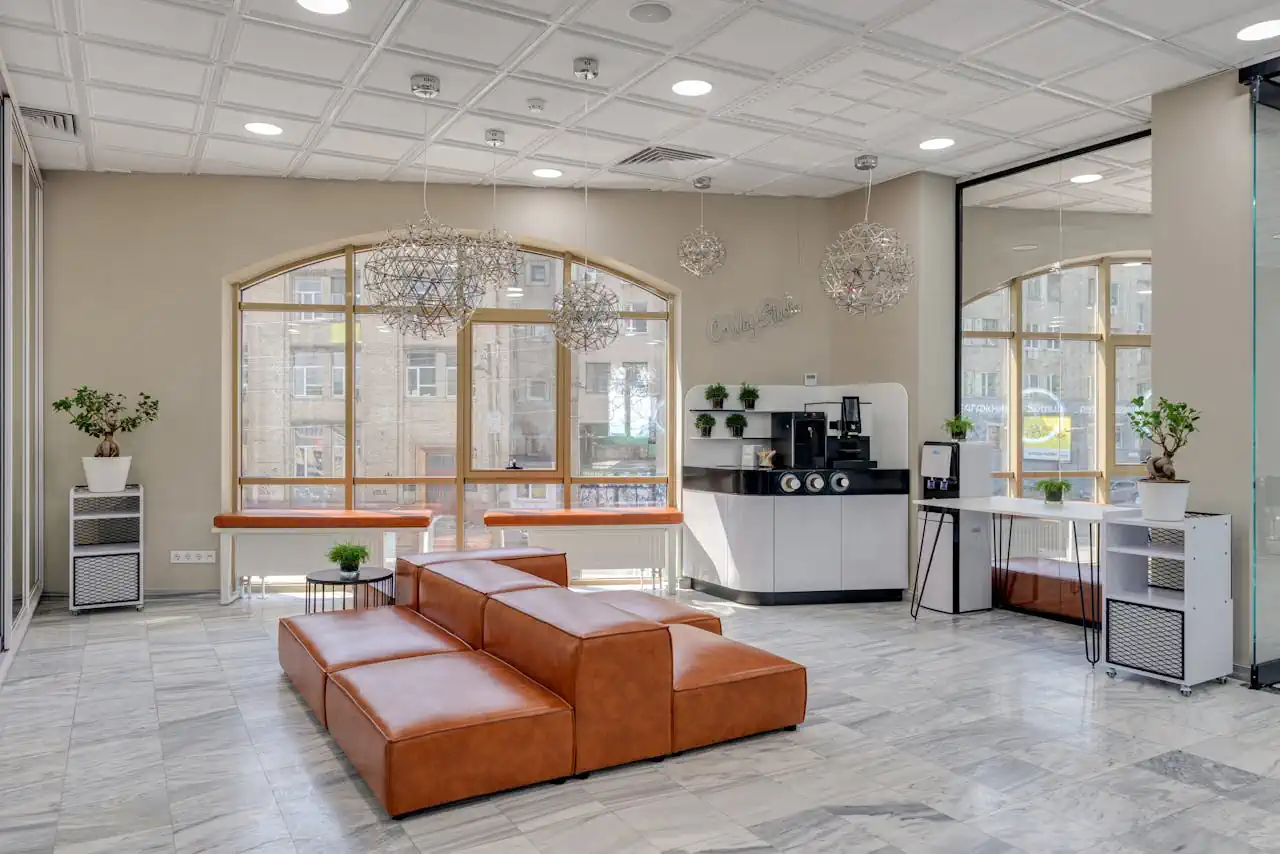
Ever wondered how people form their first impressions of a business?
The reception area will tell them everything. It sets the tone for every conversation that comes after it. And here’s the thing…
Most businesses are getting it wrong.
A badly designed reception area will negatively affect brand perception in seconds. According to Workplace Insight, 40% of people have reported their opinion of a company to have been negatively affected by the reception or waiting area lobby.
That’s nearly half of all visitors heading for the exit door with a negative impression even before the meeting has started.
The good news? With the right waiting room beam seating and design considerations, you can turn any reception area into a brand-building goldmine.
In this post, you will learn
- Why Reception Design Matters for Brand Perception
- The Importance of Seating in Reception Areas
- Key Design Elements that Convey Brand Identity
- Mistakes to Avoid when Designing a Reception Area
Why Reception Design Matters for Brand Perception
Think about it this way…
A reception area is just like a handshake. It welcomes visitors to your brand and sets expectations for what’s to come. Research has shown that a staggering 94% of first impressions are based on the design alone, which means the visual cues in a space have more power than most people realise.
Now, picture two waiting areas. One is cramped, cluttered, and clearly hasn’t been redecorated in decades. The other is spacious, tidy, and has welcoming modern beam seating. Where are you more likely to form a positive impression? People assume your brand standards are the same as your waiting area, so the stakes could not be higher.
The reception area of any business tells a story about its values and standards. It indicates whether that business cares about the comfort, professionalism, and overall experience of the people who step through the door.
And all of this happens in seconds.
The Role of Seating in Reception Areas
When you first walk into a reception area, where do you look? For most people, the first port of call is the waiting chairs.
This isn’t an accident. The chairs in a waiting room play a much more important role than you might think at first glance.
For a start, visitors will spend most of their time in reception areas sitting down. The comfort and style of the seating influences how they feel about your brand. Uncomfortable, boring, or broken chairs create frustration. Stylish, comfortable, and ergonomic chairs create positive associations.
Beam seating solutions are particularly popular in professional settings like healthcare and offices for several reasons:
- Space Efficiency – Multiple seats connected on a single beam take up less space
- Durability – Commercial grade builds for high traffic areas
- Easy Maintenance – Simple construction makes cleaning a breeze
- Professional Aesthetic – Clean lines and modern design look good
Beam seating is great for both healthcare facilities and corporate offices. The space efficiency, durability, and simple lines perfectly blend the practical and aesthetic factors businesses care about the most.
The trick is choosing the right style of seating for your brand. A trendy graphic design agency might go for bright colours and quirky shapes. A stuffy law office would probably prefer muted tones and traditional styles. Either way, the chairs need to fit with the overall brand identity.
Key Design Elements that Convey Your Brand
Seating isn’t the only thing that matters in a reception area, of course. The perfect reception area is one where multiple design elements come together to create an overall brand message.
Colour Scheme
The colours you choose say a lot about your brand. Cool colours like blue and green promote a calming effect. Bright reds and oranges evoke energy and passion. Whichever hues you use, it’s important that they work with the rest of your brand identity to create a cohesive visual message.
Lighting
Natural light has been proven to boost mood and create an instantly inviting atmosphere. If natural light isn’t an option, artificial lighting can have the same effect as long as you use warm, inviting bulbs. Stay away from the harsh industrial look of fluorescent lighting.
Signage and Branding
A well-designed, professional logo should be visible without being in your face. Quality signage and wall graphics show professionalism, while cheap, worn signs give the opposite impression.
Plants and Natural Elements
Plants are the little details that can add so much life to a reception area. They improve air quality, look visually interesting, and make commercial spaces feel less cold and more inviting.
Reading Materials and Entertainment
Magazines, newspapers, and other reading material in reception areas send a subliminal message to visitors. Industry trade magazines and company brochures promote professionalism and knowledge, while random outdated magazines give the opposite message.
Practical Layout Considerations
A lot of thought has to go into reception area layout, too. After all, practicality plays a big part in visitor satisfaction. You have to think carefully about the flow of traffic in the space and how people will use it.
Clear Sightlines
Visitors should know where they are supposed to wait and where they need to check-in as soon as they step through the door. Confusion sets a bad tone before the conversation has even begun.
Traffic Flow
The path through the space should be logical and obvious. People don’t like feeling crowded or trapped.
Personal Space
Seats should be arranged with the visitor experience in mind. Chairs that are too close together make socialising awkward and uncomfortable. Research into social distance in medical waiting rooms has indicated a minimum of 4 feet is recommended.
Accessibility
Consider all kinds of visitors when you design a reception space, including those with different mobility needs. This includes wheelchair access, height-adjustable seating, and clear pathways.
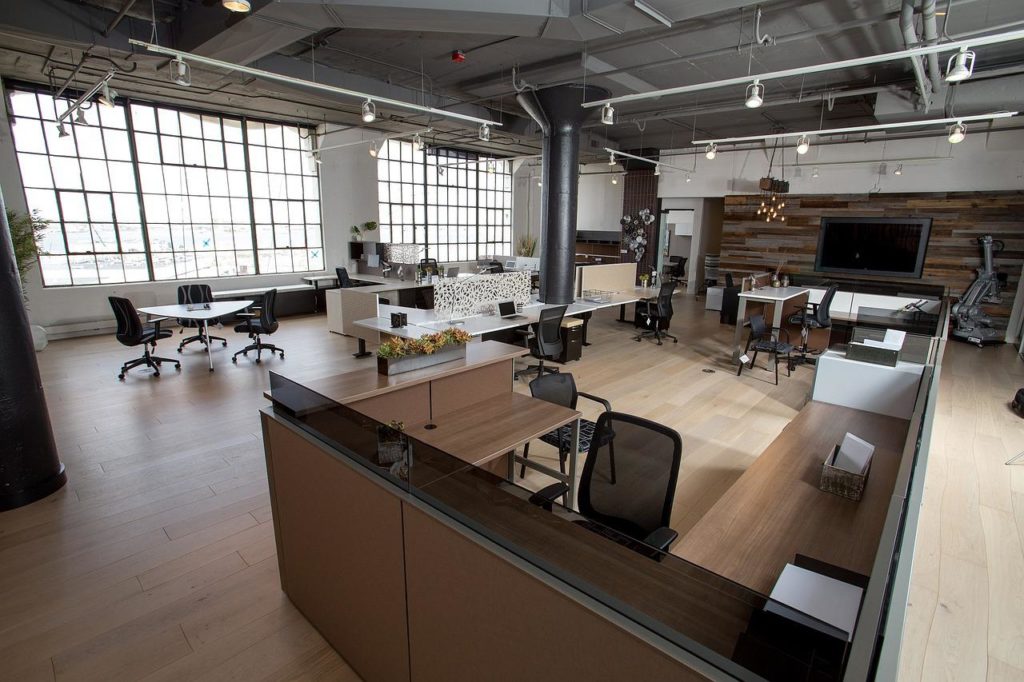
Mistakes to Avoid
Businesses can unknowingly sabotage their own reception areas with a few common mistakes:
Cluttered Space
Too many chairs in a small room create a cramped, uncomfortable environment. Less is often more when it comes to reception seating.
Neglect
Cheap furnishings, stained carpets, and dirty windows instantly destroy brand perception. Maintenance and replacement are key.
Mismatched Furniture
Retro chairs, modern chairs, and traditional chairs do not belong in the same space. Furniture pieces that don’t go together look unprofessional.
Temperature
Visitors who feel too hot or too cold associate that with your brand. Climate control is more important than many people think.
Noise
Noise is one of the most significant environmental stressors, yet many reception areas pay little to no attention to it. Background music and soundproofing should be considered carefully.
Final Thoughts
A reception area is not just a place to wait. It’s one of the most powerful brand-building tools at a company’s disposal.
The things businesses get right (or wrong) in these spaces matter a lot. Quality seating, a consistent colour scheme, and thoughtful lighting and layout all play a part in visitor perception.
Investing in a great reception area pays for itself over and over in the minds of the people who visit your business. Comfortable visitors who are impressed by a waiting room will take that positive feeling with them into every subsequent interaction.
Beam seating solutions, lighting, and intelligent design considerations all come together to create the modern reception areas people have come to expect. And in a world where first impressions happen in seconds, that makes all the difference.