
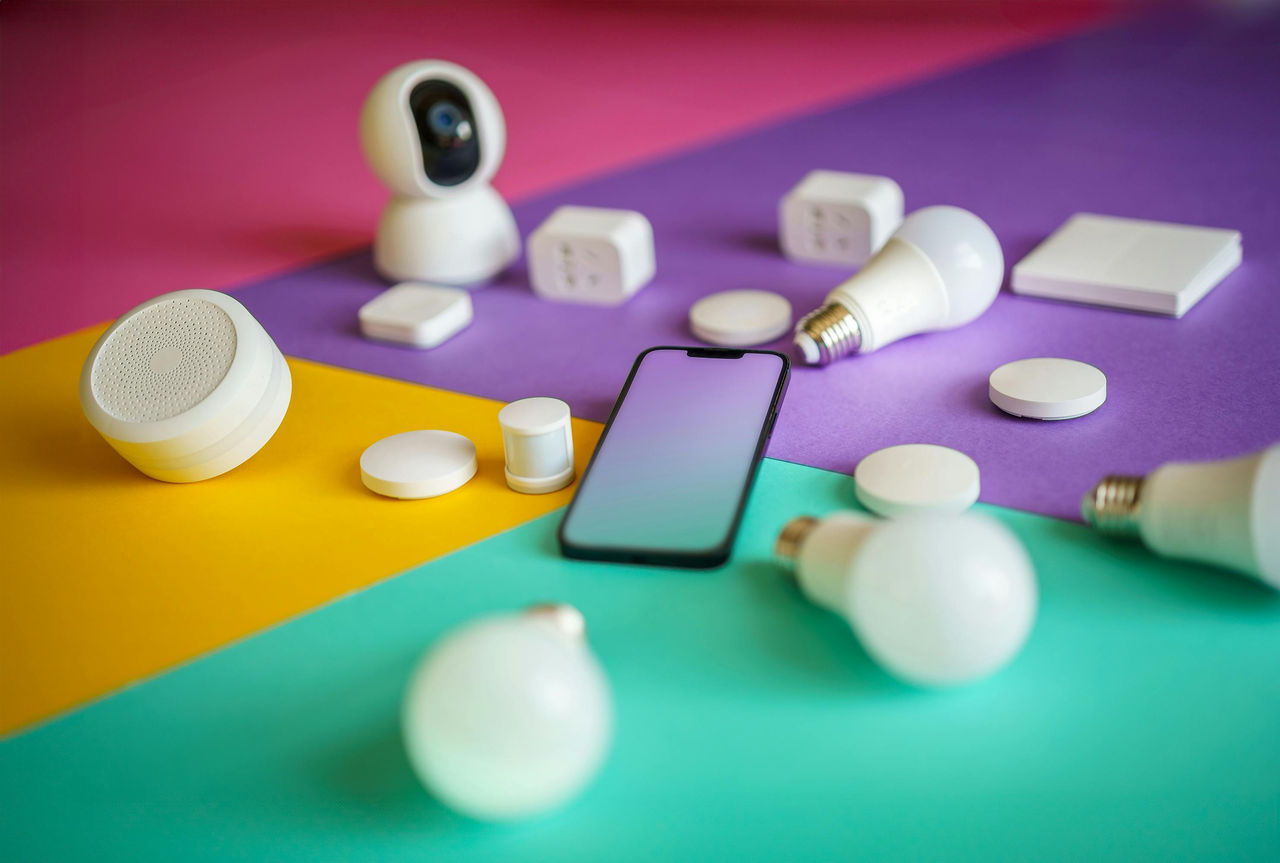
There's something special about walking into a home that just works. The lights adjust on their own, the temperature feels perfect, and everything you need is right where you expect it to be. That feeling isn't accidental anymore.
Smart home technology is quietly changing the way families experience their living spaces. It's no longer just about convenience. It's about building an environment that actively supports your comfort, your peace of mind, and your overall wellbeing.
What Is a "Happy Space" Anyway?
A happy space isn't just a room that looks nice. It's a place where you feel safe, relaxed, and in control. It's where stress gets left at the door and routines feel effortless.
For most homeowners, creating that kind of environment used to require a lot of manual effort. Now, technology is doing a big part of that work. Smart devices help shape the mood, energy, and flow of a home without constant attention from the people living in it.
How Smart Technology Transforms the Feel of a Home
When smart devices work together, the result is a living space that responds to your lifestyle instead of the other way around. That shift alone can reduce daily frustration significantly.
Smart lighting, for example, plays a bigger role in mood than most homeowners realize. Warm, dimmed lights in the evening help the brain wind down, while bright, cool lighting in the morning supports alertness. Systems like Philips Hue or LIFX let you automate this entire cycle without touching a switch.
Temperature control is another major factor. A smart thermostat like the Nest or Ecobee learns your schedule and adjusts automatically. Coming home to a perfectly cooled or heated space sounds small, but over time it becomes one of those quiet comforts that genuinely improves daily life.
For parents, smart monitors and home cameras add a layer of reassurance that is hard to put a price on. Knowing that children are safe, that the front door is locked, or that the baby is sleeping soundly removes background anxiety that many families carry throughout the day.
The Connection Between Smart Homes and Mental Wellbeing
Mental health researchers at UCL have long understood that our surroundings affect our emotional state. Cluttered, noisy, or unpredictable environments raise cortisol levels and increase stress. Calm, organized, and responsive environments do the opposite.
Smart home technology directly supports that calmer environment. Automated routines mean fewer tasks to remember and less mental clutter. When your coffee starts brewing when your alarm goes off, or your blinds open gradually with the sunrise, mornings feel less chaotic and more intentional.
Couples often report that shared household responsibilities become less of a source of conflict when automation handles the repetitive parts. Smart vacuums, automated grocery reminders, and scheduled appliances quietly reduce the friction that builds up in busy households.
There is also a growing body of evidence that natural light and air quality affect focus and mood. Smart air purifiers, CO2 monitors, and UV lighting systems give homeowners real control over the invisible parts of their environment that impact how they feel each day.
Smart Homes and Physical Comfort
“A home that supports mental wellbeing also tends to support physical comfort. The two are deeply connected,” says the EmpowerHome Team, a group of Dallas Realtors.
Smart beds and sleep trackers, for instance, can monitor sleep quality and adjust firmness or temperature through the night. Better sleep means better energy, better focus, and a more positive outlook throughout the day.
For older adults or family members with mobility challenges, smart home features can be genuinely life changing. Voice controlled lights, automated doors, and smart kitchen appliances bring independence and dignity into everyday life. These features turn a regular house into a space that truly accommodates the person living in it.
Key Features That Make the Biggest Difference
If you are thinking about which smart home upgrades actually move the needle on daily happiness, here is where most homeowners find the most impact:
- Smart lighting systems that adjust by time of day and mood setting
- Programmable thermostats that learn your routine and maintain ideal comfort
- Voice assistants like Alexa or Google Home that manage tasks through simple commands
- Smart security systems that give families real time peace of mind
- Automated morning routines that reduce decision fatigue before the day even starts
- Air quality monitors that track pollutants and trigger purifiers automatically
- Sleep tracking devices that help you understand and improve your rest patterns
- Robot vacuums that handle floor cleaning on a set schedule without reminders
- Smart plugs and appliances that cut energy waste and lower household stress around bills
Each of these features works on its own, but the real magic happens when they are connected through a central system like Apple HomeKit, Google Home, or Amazon Alexa.
Building a Smarter Home Without Overwhelming Yourself
The good news is that building a smart home does not have to happen all at once. Most homeowners start with one or two devices and expand from there.
A smart speaker is often the best starting point. It acts as a hub for other devices and gives you a feel for how voice control fits into your daily routine. From there, smart lighting and a programmable thermostat are natural next steps.
The goal is not to fill every corner of your home with gadgets. The goal is to make intentional choices about which parts of your day feel the most stressful or repetitive and let technology ease those specific pressure points.
A Home That Works for You
At its best, smart home technology does not just add features to a house. It changes how the house relates to the people inside it. It removes friction, adds comfort, and creates an environment where both relaxation and productivity come more naturally.
The idea of a happy space is personal. For some families, it means quiet mornings and smooth routines. For others, it means knowing the home is secure while they sleep. For aging parents, it means staying independent longer in a space that understands their needs.
Whatever your version of a happy home looks like, smart technology is one of the most practical tools available right now to help you build it. The investment is worth far more than the devices themselves. It is an investment in how you feel every single day.