When someone is diagnosed with a chronic illness, their life can change dramatically. There are many aspects to a diagnosis that are difficult to adjust to, including the medications and treatment options, the signs and symptoms to expect, and the lifestyle changes needed to manage their conditions.
Despite that, technology can help manage many of these challenges. The technological advancements in healthcare can make it easier to live with long-term conditions. Here are a few to look out for.
Health App Help Keep Everything Organized
When someone is living with a chronic illness, they have to deal with medication reminders, keeping track of symptoms, monitoring blood pressure, and taking care of numerous appointments. Remembering everything can be difficult.
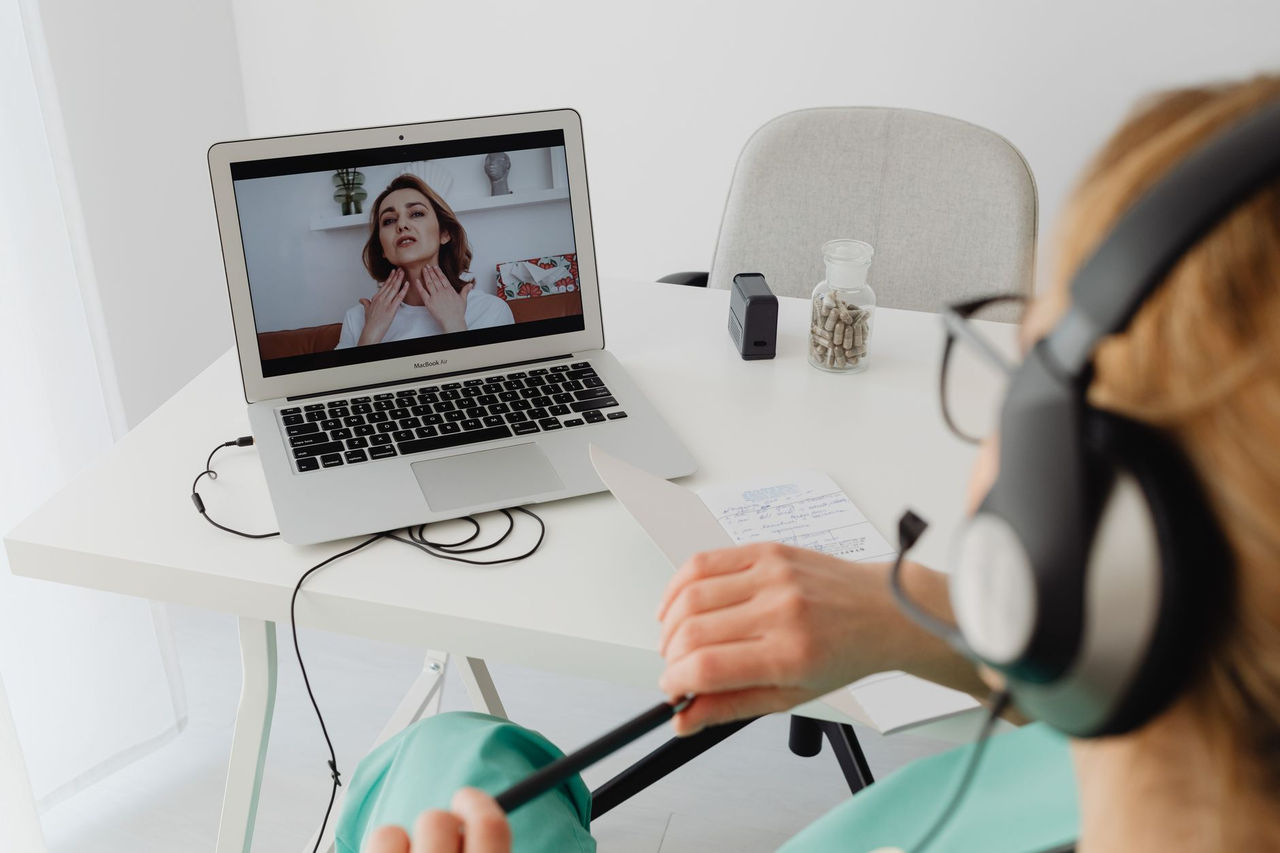
Health management apps help users to manage these daily tasks. They send medication reminders or notifications when it's time to take medication and allow them to keep track of symptoms and relevant health indicators. Rather than relying on memory, patients can show doctors accurate results.
Credible Online Sources Help Patients
Searching for information online after receiving a diagnosis does not always provide clarity. This is why it is important to look for trustworthy sources of information, especially when dealing with rare diseases like mesothelioma. Reputable organizations can provide educational materials to:
- Help individuals understand their diagnosis better
- Understand the available treatment options
- Prepare for discussions with their medical team
For instance, the Mesothelioma Hope website can offer needed information, resources, and data for people affected by this disease. Access to reliable sources helps patients make informed decisions, know their options regarding support, and feel less alone while coping with their illness.
Remote Monitoring Helps Prevent Serious Complications
Many physicians now use remote patient monitoring technology to stay informed about their patients and to monitor their health between appointments. The monitoring devices automatically transmit valuable information such as blood pressure, blood sugar, oxygen saturation, heart rate, and weight.
Due to this continuous supply of information, physicians have the opportunity to receive early warnings if a patient’s condition begins to change. They are also able to take timely action, preventing serious complications that could require emergency care or hospitalization.
Technology Gives People More Independence
One of the biggest benefits of advanced health technologies in the modern world is the extra independence they can give patients. In the past, patients had to rely on occasional doctor visits.
Now, patients can regularly keep track of their health, educate themselves about it, and interact with their healthcare provider when they have concerns or questions. These tools don’t replace medical professionals but rather make everyday care simpler and more manageable.
Endnote
Technology has proven to be a valuable tool in managing chronic health conditions. You can use it to communicate with healthcare professionals, monitor your physical condition, and manage treatment plans effectively.
While technology does not eliminate any issues involved in living with chronic conditions, it helps simplify the process of managing them. Technology will continue to play an increasingly important role in healthcare.