
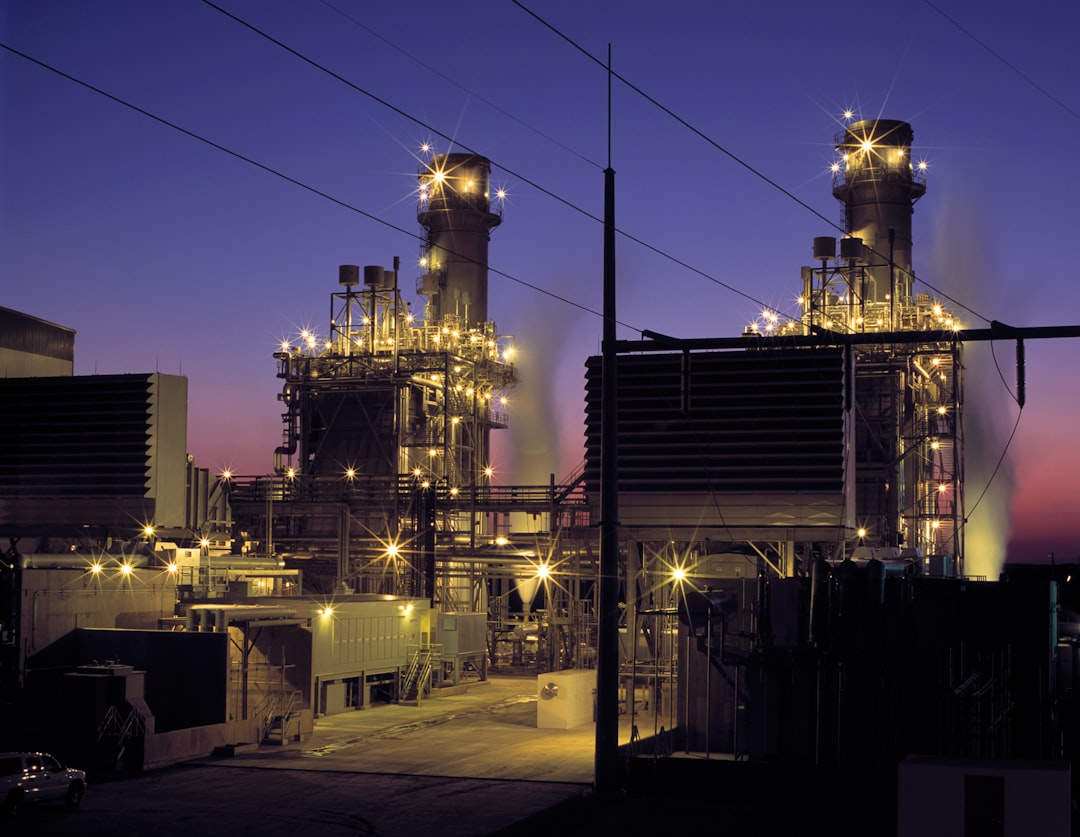
Running multiple facilities is hard.
Operating multiple facilities with varying electrical equipment on-site at each location? RUN FROM THIS MONSTER. Individual brands/specs/failure modes at each facility spells disaster for maintenance personnel, purchasing departments, and operations management.
Standardized equipment fixes this.
When every site runs on the same critical power distribution setup, everything gets simpler:
- Faster troubleshooting
- Cheaper spare parts inventory
- Easier staff training
- Predictable performance
Here's how to make it happen…
Here's the roadmap:
- Why Standardization Matters for Critical Power Distribution
- The True Cost of Inconsistent Equipment
- Key Benefits of Standardized Rollouts
- How to Standardize Multi-Site Power Infrastructure
- Common Pitfalls to Avoid
Why Standardization Matters for Critical Power Distribution
Critical power distribution is the backbone of any multi-site operation.
Without power, nothing else works. Production grinds to a halt. Data is lost. Customers are upset. And the costs begin adding up quickly.
That's why savvy operators are phasing out the "purchase lowest-cost unit at each location" strategy in favor of standardized equipment throughout their footprint.
Standardization means having uniform voltage classes across facilities, uniform protection schemes and uniform core power distribution components (think GIS switchgear for medium voltage feeders). This equipment offers a small footprint, it's sealed and more reliable than typical alternatives – everything a multi-site operator wants when overseeing power distribution at dozens of locations.
Here's the kicker:
Standardization allows your engineering team to learn one system. Your procurement team only has to negotiate one contract. And your maintenance team only needs one type of spare part.
That's a huge win.
The True Cost of Inconsistent Equipment
Most operators massively underestimate what non-standard equipment actually costs them.
OK, purchasing the lowest cost equipment per location may look great on an invoice. However, the expense is realized later…through downtime.
A recent industry survey found that 91% of organizations say downtime for one hour exceeds $300k. Operating 20 sites with mismatched equipment exponentially increases that exposure.
Think about it:
- Every different manufacturer means a different service contract
- Every different model means a different set of spare parts
- Every different control system means separate training programs
- Every different protection scheme means more room for mistakes
Multi-site operations should feel like one operation. Not 20 disjoint operations held together with duct tape.
Key Benefits of Standardized Rollouts
Rolling out standardized equipment across every site isn't just a nice-to-have.
It produces tangible outcomes that affect the bottom line. Here are some of the top advantages.
Lower Total Cost of Ownership
Standardization drops your total cost of ownership in a big way.
Volume procurement. Single negotiation for service contracts. Lower spare parts inventory. Less training. These savings alone add up. Operators typically reduce lifecycle costs by 15-30% by standardizing their equipment.
Faster Response Times
When something breaks, standardization saves the day.
Any technician can go to any site and resolve the issue. They are familiar with the equipment. There is no learning curve. No root through manuals. No panicked calls to unknown vendors. This is important because the U.S. Department of Energy estimates businesses lose nearly $150 billion every year due to power outages.
That's a lot of money to leave on the table.
Better Data & Reporting
Standardized equipment produces standardized data.
It translates into one dashboard, one reporting format and one set of KPI's throughout your entire organization. Performance is easily compared apples-to-apples, underperforming locations are quickly identified and smarter capital planning decisions can be made.
How to Standardize Multi-Site Power Infrastructure
Ready to make the switch? Here's the process to follow.
Step 1: Audit Current Equipment
Start with a full audit of what's already installed at every site.
List the brand, model, age and condition of each critical power component. This starting point will pinpoint where the mismatches occur and help you determine which locations should be addressed first.
Step 2: Define the Standard
Now the big decision – what's your standard going to be?
Collaborate with electrical engineers, operations managers, and finance to select equipment that meets the needs of every site. Things to consider:
- Voltage class requirements
- Environmental conditions (indoor vs outdoor, extreme temperatures)
- Space constraints
- Future expansion needs
- Compliance with local codes
The right standard should work for 90%+ of your sites without any customization.
Step 3: Plan the Rollout
Don't try to switch every site at once. That's a recipe for disaster.
Alternatively, implement standardization gradually. Begin with facilities with the poorest equipment (or highest downtime expenses). Leverage those early successes to demonstrate ROI and garner support for wider implementation.
Step 4: Train Everyone
Standardization only works if the people running it are ready.
Train your maintenance technicians, operations personnel, and any contractors who handle the equipment. If everyone understands the standard, deviations can be remedied quickly.
Step 5: Monitor & Refine
The rollout doesn't end when the last site is upgraded.
Install continuous monitoring of equipment performance. Compare patterns across locations. Improve a component of the standard if it isn't performing before the next round of updates.
Common Pitfalls to Avoid
Standardization is powerful, but it's easy to mess up.
Here are the most common mistakes that trip up multi-site operators.
Over-standardization: Applying one solution to every site – despite local variables that may require otherwise – creates additional challenges. Some latitude is required.
Neglecting the human element: Standardization also affects how teams operate. Omit training and change management efforts and even the most well-designed equipment strategy will fall short.
Pick the wrong partner: Who you partner up with makes a difference. Find a supplier that can provide uniform equipment throughout each territory you do business in, including local service and support.
Buying the lowest price: Purchasing inexpensive equipment means it will break. And when you have 20 sites breaking at once, your "savings" disappear quickly. Think of the lifecycle cost.
Bringing It All Together
Standardized equipment is the secret weapon that separates well-run multi-site operations from the rest.
The benefits are massive:
- Lower total cost of ownership
- Faster problem resolution
- Better data and reporting
- Easier training and staffing
However, standardization doesn't happen without dedication. It takes an actionable plan coupled with the appropriate partners and investment today for a return down the road.
The best part? Operators who care about this end up with a more profitable, reliable, efficient business. When critical power distribution just works … everywhere, every day … everything else becomes much easier.
Begin with an audit. Choose the appropriate standard. Implement in stages. See how seamless everything becomes.