
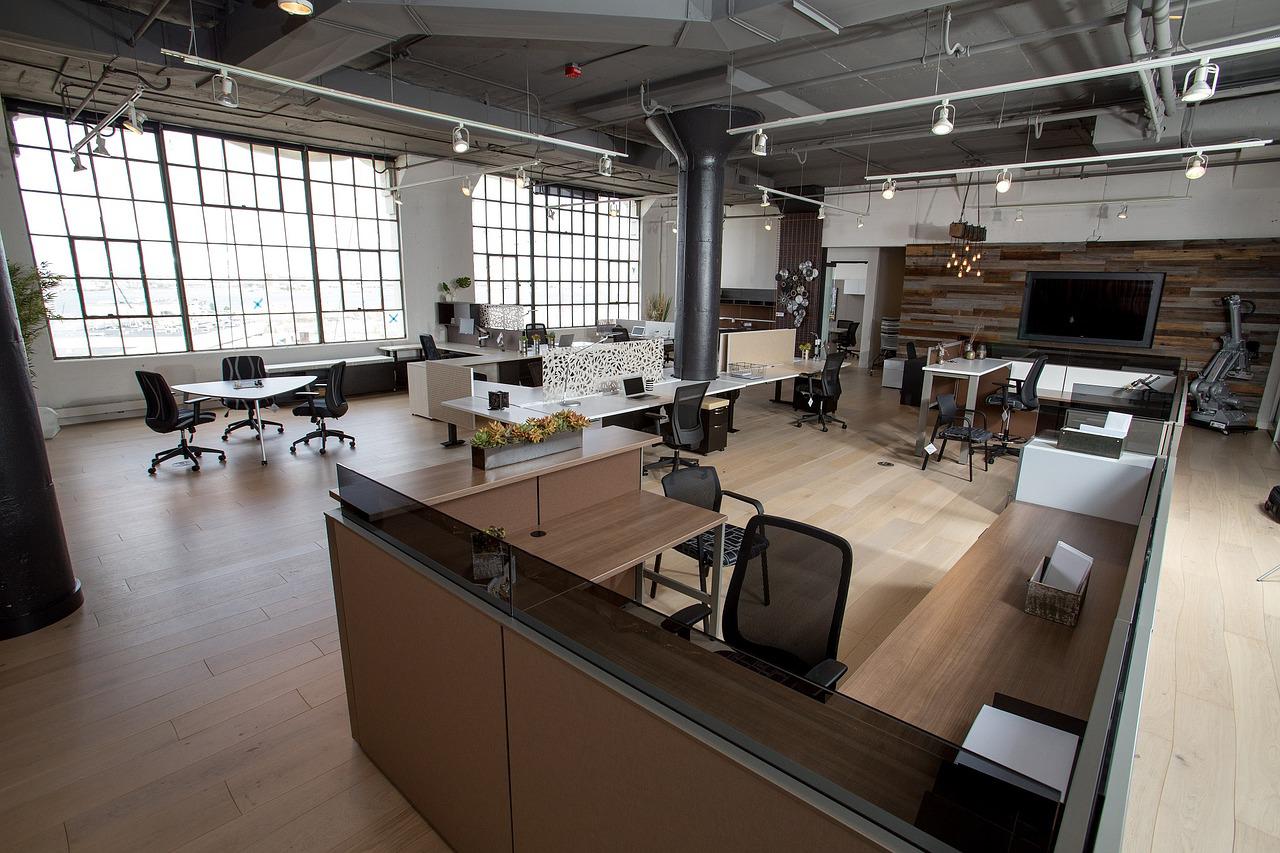
The modern workplace is evolving rapidly, and office furniture plays a crucial role in shaping how employees perform and feel throughout the day. From ergonomic chairs to well-designed desks, the right furniture can significantly influence productivity and overall well-being.
Businesses that invest in thoughtful workspace design often see improvements in employee satisfaction, efficiency, and long-term performance.
Why Office Furniture Matters in the Workplace
Office furniture is more than just a functional necessity, it directly impacts how employees interact with their environment and complete their tasks. Companies looking to upgrade their workspace can explore solutions from Urban 411 Dubai to create a more efficient and comfortable office setup.
- Supports posture and reduces physical strain
- Enhances focus and minimizes distractions
- Encourages collaboration and communication
- Improves overall workspace aesthetics
- Contributes to employee satisfaction and retention
The Connection Between Furniture and Productivity
Well-designed office furniture creates an environment where employees can perform at their best. It influences both physical comfort and mental clarity, which are essential for consistent productivity.
Ergonomic Design and Comfort
Ergonomic furniture is specifically designed to support the natural posture of the body. Chairs with proper lumbar support and adjustable features help reduce strain on the spine. This leads to reduced physical fatigue and allows employees to work comfortably for longer periods.
Proper Desk Height and Alignment
Desks that are too high or too low can cause discomfort and affect typing efficiency. Adjustable desks help maintain proper alignment between the arms, wrists, and screen. This ensures optimal working posture and minimizes the risk of repetitive strain injuries.
Organized Workspaces
Cluttered desks can lead to distractions and reduced efficiency. Functional furniture with built-in storage helps keep work areas organized. A tidy workspace promotes better concentration levels and smoother workflows.
Flexible and Collaborative Furniture
Modern offices often require spaces that support teamwork and collaboration. Modular furniture and shared desks allow teams to work together effectively. This encourages improved team interaction and creative problem solving.
Lighting and Desk Placement
The positioning of desks in relation to natural and artificial light sources can affect productivity. Poor lighting can lead to eye strain and fatigue. Strategic placement supports enhanced visual comfort and better focus.
Psychological Impact of Design
Furniture design, color, and layout influence employee mood and motivation. A well-designed workspace creates a positive atmosphere. This contributes to higher employee engagement and overall job satisfaction.
How Office Furniture Affects Employee Well-being
Employee wellbeing goes beyond physical comfort and includes mental and emotional health. The right furniture can create a supportive and healthy work environment.
Reducing Physical Strain
Prolonged sitting in poorly designed chairs can lead to back pain and muscle tension. Ergonomic seating helps distribute body weight evenly. This reduces chronic discomfort and supports long term health.
Encouraging Movement
Sit-stand desks and flexible furniture encourage employees to change positions throughout the day. Movement improves circulation and reduces fatigue. This promotes active work habits and better energy levels.
Supporting Mental Health
A comfortable and aesthetically pleasing workspace can reduce stress and improve mood. Employees feel more relaxed and focused in a well-designed environment. This contributes to improved mental well-being.
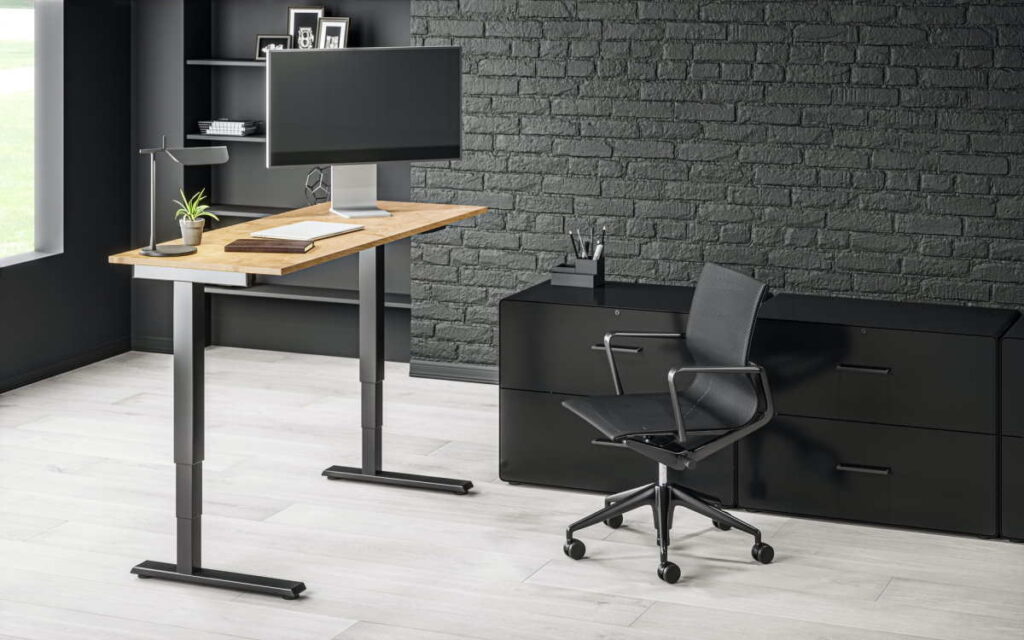
Noise Reduction and Privacy
Furniture such as acoustic panels and partition desks can help reduce noise levels. A quieter workspace allows employees to concentrate better. This ensures enhanced focus and productivity.
Personalization and Comfort
Allowing employees to personalize their workspace can increase their sense of ownership and comfort. Adjustable furniture supports individual preferences. This leads to greater workplace satisfaction.
Long Term Health Benefits
Investing in quality furniture reduces the risk of long-term health issues such as musculoskeletal disorders. Healthy employees are more productive and take fewer sick days. This results in sustained workforce performance.
Practical Tips for Choosing the Right Office Furniture
Selecting the right furniture requires careful planning and understanding of workspace needs. Businesses should focus on both functionality and employee comfort.
- Choose ergonomic chairs with adjustable features
- Invest in desks that support proper posture
- Optimize layout for movement and collaboration
- Use storage solutions to reduce clutter
- Consider lighting and desk positioning carefully
Office Layout and Space Optimization
| Factor | Impact on Productivity | Recommended Approach |
| Desk Placement | Affects focus and lighting | Position near natural light sources |
| Space Utilization | Reduces clutter and improves flow | Use modular and compact furniture |
| Movement Accessibility | Encourages activity | Allow clear walking paths |
| Storage Solutions | Keeps workspace organized | Use integrated storage units |
| Collaboration Areas | Enhances teamwork | Include shared workspaces |
To further improve efficiency, businesses can explore strategies like desk table placement to maximize the office space, which provide practical guidance on creating a more functional and productive layout.
Conclusion
The impact of office furniture on productivity and well-being cannot be overlooked in today’s work environment. From ergonomic design to thoughtful layout, every element plays a role in shaping employee performance and satisfaction.
By investing in the right furniture and optimizing workspace design, businesses can create an environment that supports both efficiency and health. This leads to improved productivity and happier employees, making it a valuable long-term investment for any organization.