
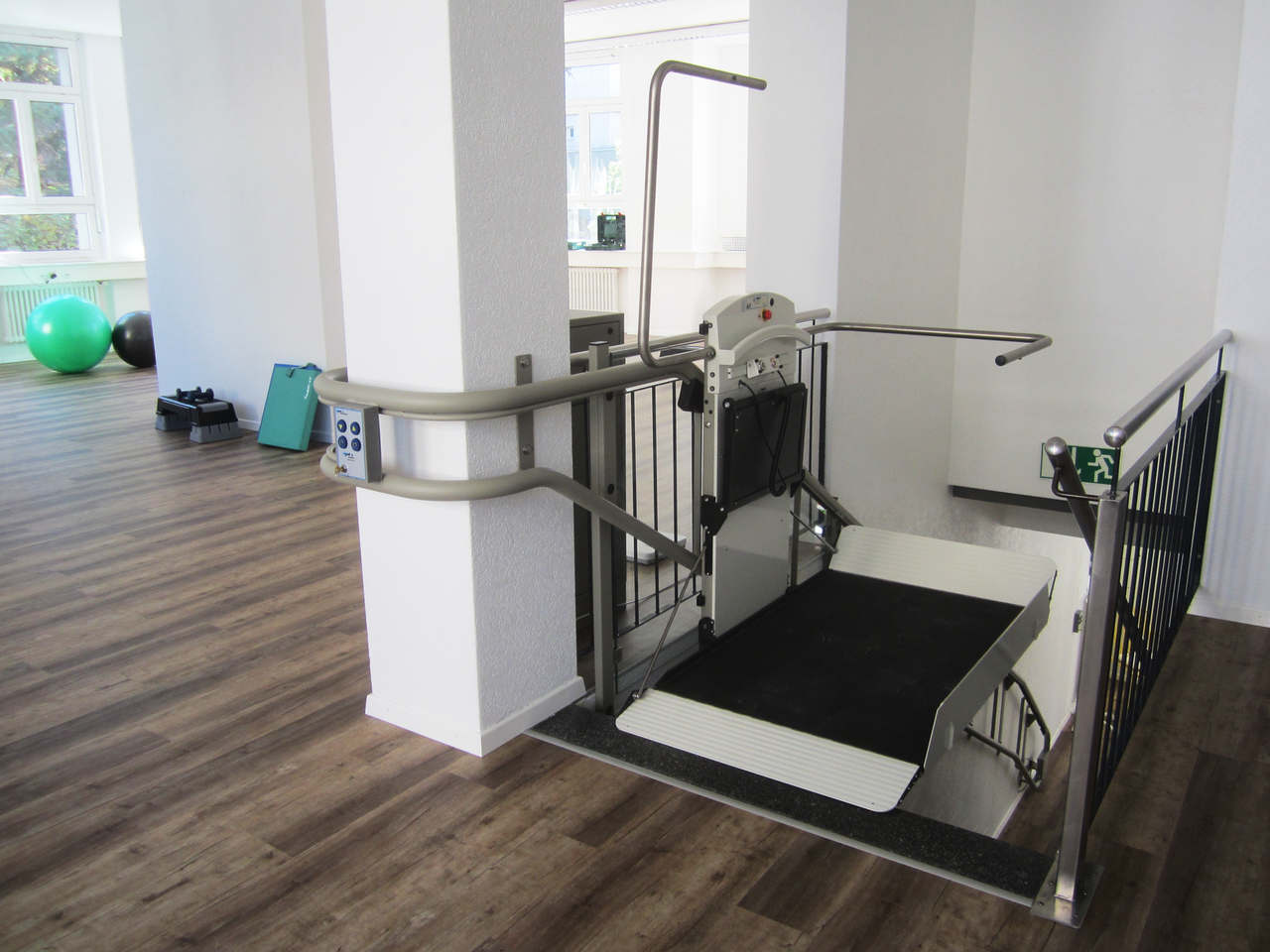
Installing a stairlift represents a significant investment in home mobility and independence, yet many homeowners find themselves unprepared for the wide range of costs involved. Prices can fluctuate from a few thousand dollars to well over ten thousand, depending on numerous variables that extend beyond the basic equipment itself. Understanding these cost factors before requesting quotes helps families make informed decisions and avoid unexpected expenses during what can already be a challenging change period.
What Is the Average Cost of Installing a Stairlift?
According to industry data, the average cost of installing a stairlift ranges from $3,000 to $5,000 for a straight staircase, while curved or custom configurations can cost between $10,000 and $15,000.
The significant price difference stems from manufacturing complexity. Straight stairlifts use standardized rails and components, making them more affordable and quicker to install. Curved models require custom-fabricated rails precisely measured to match the staircase's unique angles and turns.
Basic straight stairlift installations typically include the chair, track, and standard features like safety sensors and battery backup. Premium models with advanced features such as power swivel seats, upgraded upholstery, or extended weight capacities increase costs by $500 to $2,000. Installation labor generally adds $200 to $500, depending on regional rates and project complexity.
Comparing the Installation Costs of Straight and Curved Stairlifts
The cost gap between straight and curved stairlift installations reflects fundamental differences in manufacturing and installation requirements. Straight stairlifts follow a standardized design, utilizing pre-manufactured tracks that attach directly to existing steps. Installation typically requires 2-4 hours and costs between $2,500 and $5,500 for the complete system.
Curved stairlifts demand custom engineering for each unique staircase configuration. Technicians must precisely measure every angle, landing, and curve to fabricate bespoke rail systems. This customization extends manufacturing time by several weeks and necessitates specialized installation expertise. Total costs range from $8,000 to $15,000, with complex multi-story configurations reaching $20,000 or more. The price differential primarily stems from custom manufacturing processes, extended labor requirements, and the technical complexity of curved rail systems.
How Staircase Design and Home Layout Influence Stairlift Pricing
Beyond the distinction between straight and curved configurations, individual architectural features create significant cost variations in stairlift installations. Narrow staircases may require custom-width seats or folding mechanisms, increasing equipment costs by $500 to $1,500. Ceiling height affects track installation complexity, particularly in homes with low clearances or angled ceilings.
Landings and turns necessitate specialized rail systems with additional support brackets and engineering considerations. Outdoor installations connecting multiple levels demand weather-resistant materials and protective housing, adding $1,000 to $3,000 to standard pricing.
Wall construction influences mounting requirements, concrete or brick walls require specialized anchors and drilling equipment compared to standard wood framing. Multi-story homes needing stairlifts on multiple flights can expect bundled installation discounts of 10-15% versus separate single-unit installations.
Choosing Between New, Used, and Rental Stairlift Options
Homeowners face three primary acquisition models when installing a stairlift, each offering distinct financial advantages depending on usage duration and budget constraints. New stairlifts represent the most expensive option, typically ranging from $3,000 to $15,000 installed, but include full warranties, latest safety features, and customization capabilities. This choice suits permanent installations where long-term reliability justifies the investment.
Used stairlifts cost 40-60% less than new models, averaging $1,500 to $5,000, though availability depends on finding units matching the homeowner's staircase configuration. Limited warranties and potential compatibility issues require careful consideration. Rental agreements accommodate temporary needs, charging $150-$300 monthly plus installation fees around $500-$1,000. This model benefits short-term recovery situations or trial periods, though costs exceed purchasing if extended beyond 18-24 months.
Additional Costs for Custom Features, Safety Upgrades, and Accessibility Needs
While basic stairlift models cover fundamental transportation needs, customization and enhanced safety features substantially increase total installation costs, often adding $500 to $5,000 to the base price.
Power swivel seats, which rotate automatically for safer dismounting, typically cost $300 to $800. Fold-up footrests and seats accommodate narrow staircases but add $200 to $500. Upgraded upholstery materials resistant to wear range from $150 to $400.
Safety enhancements include diagnostic displays ($100 to $300), lockable on/off switches preventing unauthorized use ($75 to $200), and backup battery systems ensuring operation during power outages ($200 to $600).
Accessibility modifications for users with severe mobility limitations, such as powered hinged rails that fold away automatically or heavy-duty weight capacity upgrades, can increase costs by $1,000 to $3,000 depending on complexity and manufacturer specifications.
Understanding Installation Fees, Maintenance Expenses, and Warranty Coverage
Installation fees represent a considerable portion of total stairlift expenses, typically ranging from $500 to $2,500 depending on staircase configuration and regional labor rates. Complex installations involving curved staircases or multi-story setups command higher fees due to increased labor time and technical expertise required.
Maintenance expenses average $150 to $300 annually for routine servicing, including track cleaning, mechanical inspections, and battery replacements. Service contracts often bundle these costs, offering predictable budgeting at $200 to $400 yearly.
Warranty coverage varies greatly by manufacturer and model. Basic warranties typically span one to three years, covering parts and labor for mechanical failures. Extended warranties cost $300 to $800 but provide protection against expensive repairs. Premium manufacturers offer five-year extensive coverage, including emergency service calls and preventative maintenance visits.
Exploring Financing Options and Finding the Best Value for Your Stairlift Investment
Because stairlift purchases represent significant financial commitments of $3,000 to $15,000, various financing mechanisms exist to make these accessibility solutions more attainable. Many manufacturers offer payment plans with zero-interest periods ranging from 6 to 24 months, allowing customers to spread costs without accruing additional charges. Medical financing companies like CareCredit provide specialized healthcare loans with extended repayment terms. Some veterans qualify for grants through the VA's Home Improvements and Structural Alterations program, covering up to $6,800.
Comparing multiple quotes remains essential for securing ideal value. Homeowners should request itemized estimates from at least three providers, examining equipment specifications, installation scope, warranty terms, and maintenance packages. Refurbished stairlifts offer quality alternatives at 40-60% reduced costs. Tax deductions may apply when stairlifts qualify as medical expenses under IRS guidelines.