
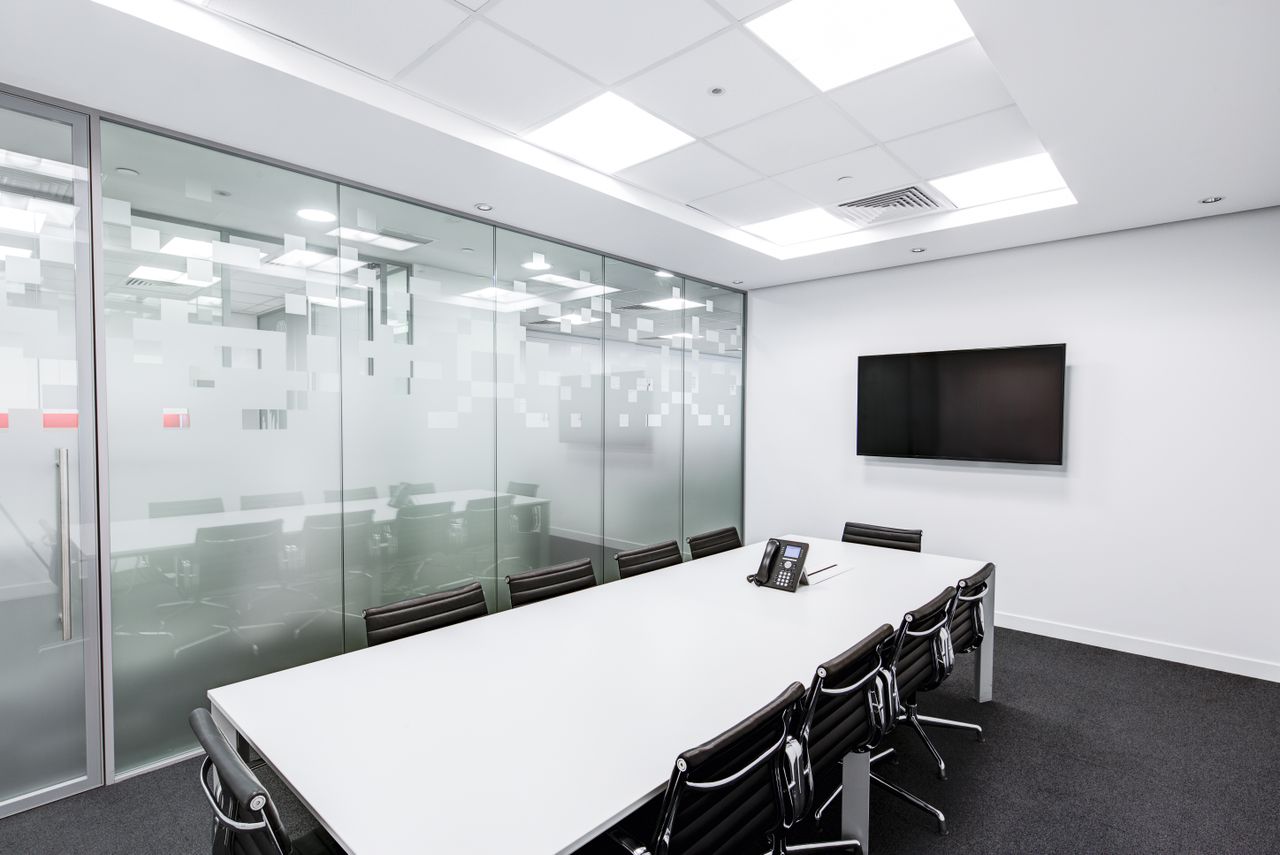
Walk into almost any small business today and you will find a screen on the wall. The barbershop has the game on, the dental clinic plays calm nature footage in the waiting room, the café runs the morning news, and the gym keeps sports channels going above the treadmills. For years, these screens were treated as a fixed cost that nobody questioned. A cable contract was signed, the bill arrived every month, and the TV simply stayed on.
In 2026, that is changing. Owners who already track every expense in their CRM and accounting tools are starting to look at in-store entertainment the same way they look at software subscriptions: what does it cost, what does it deliver, and is there a smarter option? Here is how small businesses are rethinking their screens, and what to consider before making a switch.
Why the Screen on the Wall Matters More Than You Think
A TV in a customer-facing space is not just decoration. It shapes how people feel while they wait, how long they are willing to stay, and how they remember the visit. A waiting room with something pleasant to watch makes a fifteen-minute delay feel shorter. A sports bar or barbershop that reliably shows the big game becomes the place regulars choose on match day. A gym with live channels keeps members on the machines longer.
In other words, the screen is part of the customer experience, and customer experience drives repeat business. That makes it worth managing with the same care you give to your booking system or your contact list.
The Hidden Cost of Traditional Business TV
Traditional cable and satellite packages for businesses tend to share the same problems. Contracts are long, prices rise after the introductory period, and every additional screen or location adds equipment fees. Installation often means waiting for a technician, and moving to a new address can mean starting the process again.
For a business with two or three locations, these costs add up quickly. Many owners only notice when they finally sit down to review recurring expenses and realize that entertainment has quietly become one of their larger monthly line items.
Internet-Based TV as a Business Tool
The alternative many small businesses are moving to is internet-based television, often called IPTV (Internet Protocol Television). Instead of a dish or coaxial cable, channels arrive as a data stream over the same broadband connection the business already uses for its payment terminals and cloud software. The viewing experience feels familiar, with a channel guide and quick switching, but the setup is far more flexible.
For a small business, the practical advantages are clear:
- Lower overhead. Subscriptions are typically month-to-month or yearly, without long equipment contracts.
- Easy scaling. Adding a screen usually means adding a small streaming device, not a new installation.
- Portability. If you move or open a second location, the service moves with you.
- Central control. Staff can manage channels from a simple app instead of juggling multiple remotes and boxes.
How to Evaluate a Provider Like Any Other Vendor
Choosing a TV provider should follow the same process you would use for any business vendor. Price matters, but reliability and support matter more, because a frozen screen in front of customers is worse than no screen at all. When owners compare options to find the best IPTV service for their premises, these are the criteria that usually decide it:
- Uptime during busy hours. The real test is a Saturday evening or a major live event. Strong providers use multiple servers and load balancing so the stream stays smooth when demand peaks.
- Picture quality. Large commercial screens make low-quality streams obvious. Look for genuine HD and 4K channels with modern compression such as HEVC (H.265).
- Responsive support. Fast activation and real people answering through a messaging app can save you from a lost evening of business.
- A trial period. A short test line lets you check performance on your own network and devices before committing.
The American Angle: Local Channels and Live Sports
Businesses in the United States have specific needs. Customers expect local news, regional channels and, above all, live sports. For bars, restaurants, barbershops and gyms, game day can be one of the busiest days of the week, and a service that drops the stream during the final minutes can cost real money and goodwill.
That is why many owners look specifically for the best IPTV for USA audiences: a provider with a full lineup of US channels, stable sports streams in HD and 4K, an electronic program guide that matches local time zones, and servers close enough to keep delay low.
Setting Up Screens the Smart Way
The technical side is simpler than most owners expect. A few steps make a big difference:
- Separate your networks. Put your TVs on a different Wi-Fi network or VLAN from your payment systems and guest Wi-Fi. This protects performance and security.
- Check your bandwidth. Plan around 25 Mbps for each 4K stream, plus headroom for your daily operations.
- Use wired connections where possible. An Ethernet cable to each streaming device is the most reliable option for screens that run all day.
- Choose dependable devices. Popular streaming sticks, Android TV boxes and smart TVs with a compatible player app all work well.
- Assign responsibility. Add the TV setup to your staff opening checklist so screens are on the right channel before the first customer arrives.
Tracking the Return on Your Screens
Like any business expense, in-store entertainment should be measured. Note the monthly cost in your expense tracker, and compare it against what you can observe: busier game days, longer gym sessions, fewer complaints about waiting times, or more positive reviews mentioning the atmosphere. Some owners even log the screen content they run during promotions to see whether certain channels keep customers around longer.
When you treat the screen as a tool rather than a fixed bill, it becomes easier to justify the right investment and to drop what does not deliver.
Final Thoughts
Small businesses have spent the last few years moving their phones, files and customer records to the cloud. Television is simply the next step. By choosing a reliable internet-based provider, setting up screens properly and tracking the results, owners can cut overhead while giving customers a better experience every time they walk through the door.