
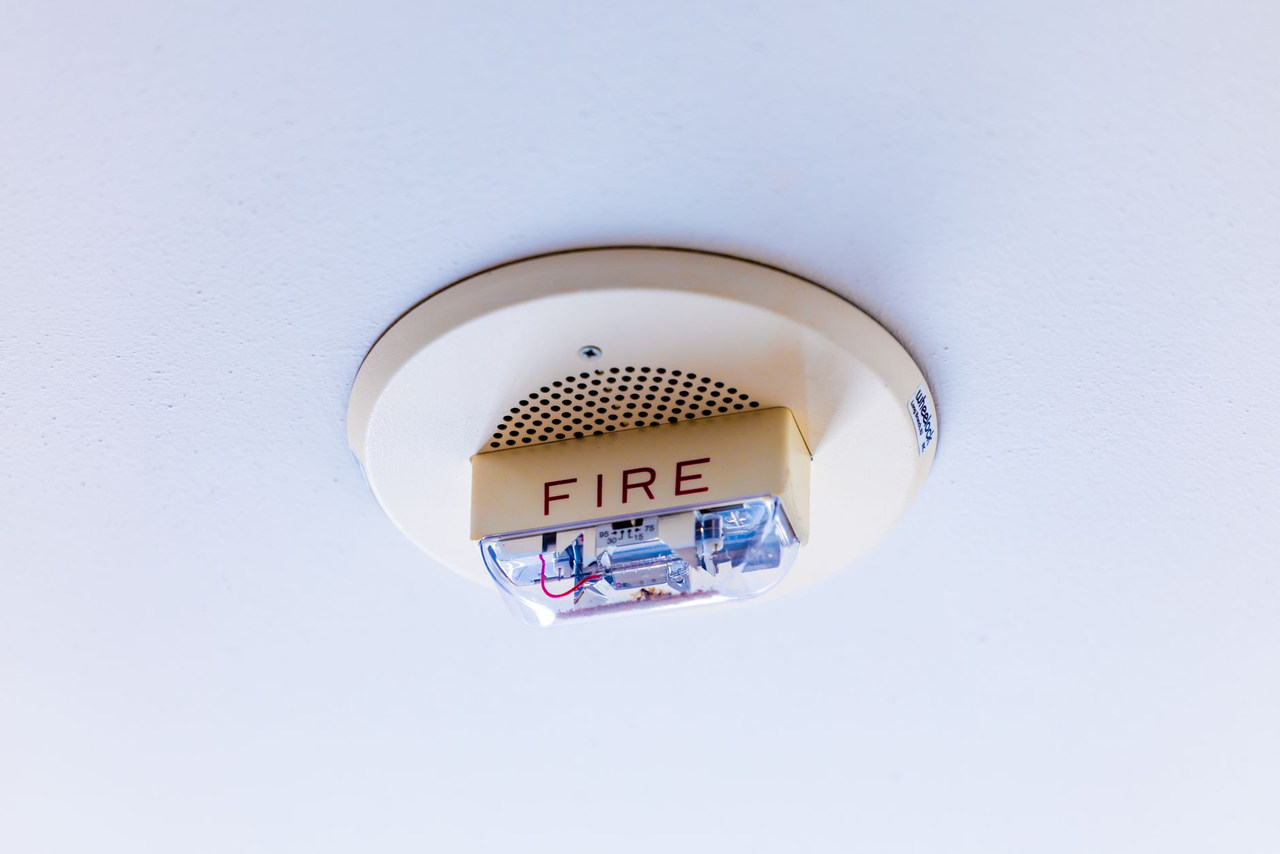
For building managers overseeing fire safety systems, the looming end of copper phone lines—known as copper retirement—brings a pressing concern. Many fire alarm communicators rely on traditional Plain Old Telephone Service (POTS) lines to transmit emergency signals to monitoring centers. With telecom companies phasing out copper infrastructure, the risk is clear: without a reliable replacement, fire alarm signals may not reach first responders when every second counts. The solution is to select a Pots Replacement Provider for fire alarm communicators that guarantees uninterrupted alarm reporting throughout and after the copper sunset. Understanding the technical and regulatory requirements of these systems is key to making the right transition.
Pots Replacement Providers for Fire Alarm Communicators
A Pots Replacement Provider for fire alarm communicators delivers alternative telecom solutions that maintain the critical link between onsite alarm panels and remote monitoring stations. These providers typically use cellular, fiber, or dedicated wireless networks to replicate the always-on reliability of copper lines. For example, some solutions offer LTE-based cellular devices with battery backup and prioritized data channels, ensuring that alarm signals transmit even during power outages or network congestion. Selecting a provider that specializes in these life-safety applications is crucial because generic voice-over-IP (VoIP) services may not meet the stringent requirements mandated by fire codes and insurance carriers.
When evaluating options, focus on providers who explicitly state compliance with fire alarm signaling standards such as NFPA 72, which governs the installation and performance of fire alarm systems in the United States. Understanding requirements for fire alarm transmission technologies can help you confirm the provider’s solution will pass inspection and ensure code-compliant protection for your facility.
How Copper Retirement Affects Fire Alarm Communication
Copper retirement refers to telecom carriers removing or disabling legacy copper phone lines, which traditionally carried dedicated analog signals for fire alarm systems. As these lines disappear, fire alarm communicators must adapt to new technologies to maintain connectivity with central stations. The shift impacts not just the wiring but also the reliability and regulatory compliance of alarm reporting. Some digital alternatives may introduce latency, jitter, or power dependencies not present in copper-based systems, potentially affecting the integrity of emergency communications.
This transition also means that building managers can no longer assume their existing alarm panels will function as before. Working with a Pots Replacement Provider for fire alarm communicators who understands these risks is necessary to avoid service gaps and failed alarm transmissions. Many local jurisdictions require documented proof that replacement systems perform at least as reliably as legacy copper lines—a requirement that should be verified before any switchover. Reviewing fire alarm system reliability standards can clarify what to look for in a new solution.
Choosing a POTS Replacement That Supports Reliable Alarm Reporting
Reliable alarm reporting depends on how closely a replacement solution mimics the dedicated, fail-safe nature of traditional POTS lines. The best options offer battery backup, dual-path communication (such as simultaneous cellular and network connections), and supervision features that monitor for line faults or signal failures. These capabilities are vital for passing fire marshal inspections and maintaining insurance coverage.
Decision makers should request specifics about how a system handles power loss, network outages, and remote supervision. For example, a Pots Replacement Provider may supply devices that automatically switch to a backup network if the primary path fails, sending alerts to both the monitoring center and the building operator. This type of system reduces the risk of undetected outages and supports compliance with life-safety requirements. Providers should also offer documentation and support for integration with existing fire panels, reducing the need for costly equipment replacements.
Installation, Testing, and Monitoring During the Transition to Copper-Free Service
The installation of a POTS replacement system involves more than connecting new hardware—it requires a coordinated approach that includes pre-installation surveys, compatibility checks with existing alarm panels, and thorough testing under real-world conditions. Some providers offer site surveys to identify potential connectivity challenges, such as poor cellular coverage or interference, before equipment is deployed. This step helps avoid surprises during commissioning.
After installation, a full-scale test of the alarm communicator is necessary to verify that signals reach the monitoring station reliably. This includes simulating power outages and network failures to confirm that backup systems perform as expected. Ongoing remote monitoring is another critical feature, allowing both providers and building managers to receive instant notifications if a communication path fails or if maintenance is required. These proactive measures ensure that the transition from copper-based to digital alarm reporting is both safe and compliant with local regulations.
Conclusion
Start the transition by confirming that any provider you consider offers a solution tested and documented to meet fire alarm transmission codes and your local authority’s requirements. Request a demonstration of backup and supervision features before committing, and ensure installation includes full end-to-end testing of alarm signal delivery. This careful approach will keep your fire alarm communicators reporting reliably long after copper retirement.