
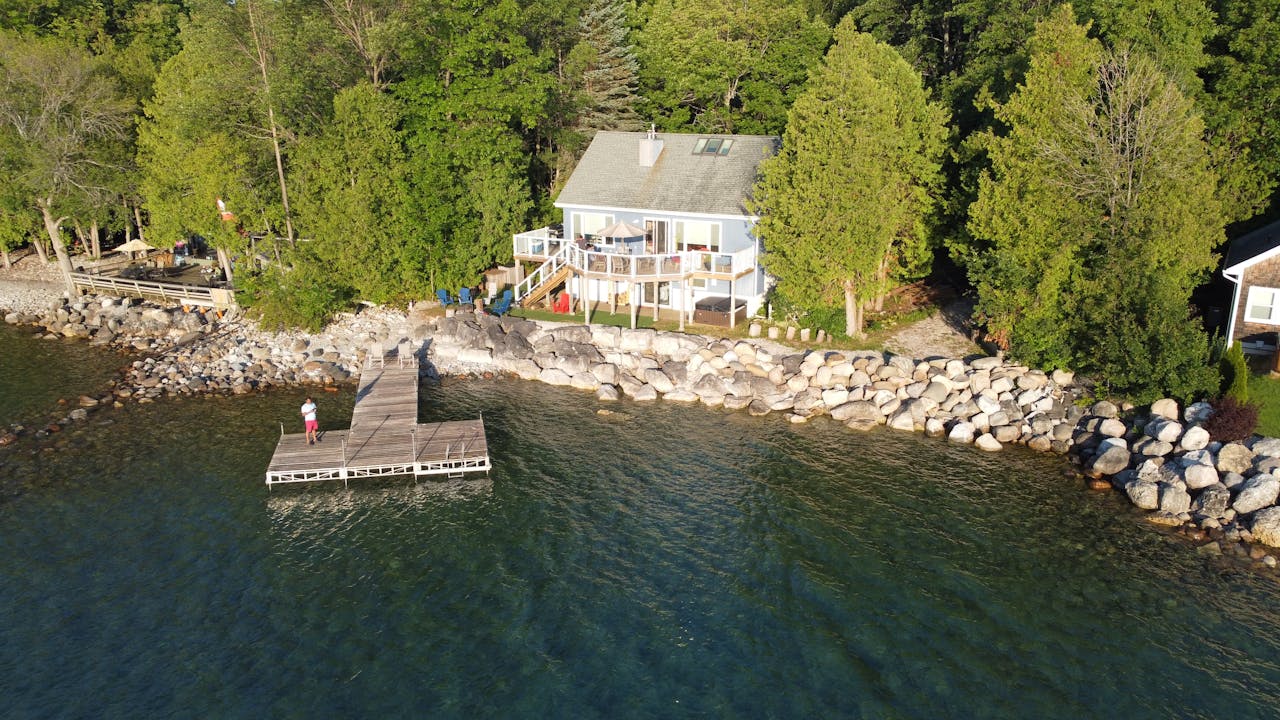
Owning a waterfront property offers unique advantages, including direct access to the water, scenic views, and increased recreational opportunities. At the same time, waterfront environments create challenges that traditional inland properties rarely experience. Constant exposure to water movement, unstable soil conditions, storms, and shoreline erosion gradually affects both the land and nearby structures.
Many shoreline issues develop slowly and remain unnoticed until visible damage appears. By the time significant erosion or instability becomes obvious, repair costs are often much higher than they would have been with early intervention. Property owners looking to better understand shoreline stabilization and long-term waterfront protection can learn more here.
Why waterfront properties experience more structural stress
Waterfront environments are constantly changing due to environmental conditions that directly affect soil stability and shoreline durability.
- Continuous water movement – waves, currents, and boat wake gradually weaken shoreline edges and increase erosion pressure over time.
- Changing water levels – repeated wet and dry cycles reduce soil stability and increase the likelihood of shoreline collapse.
- Storm exposure – heavy rainfall and storms accelerate erosion and place additional stress on shoreline structures.
- Unstable shoreline soils – many waterfront properties are built on softer soils that shift more easily under environmental pressure.
- Drainage complications – water runoff near the shoreline often creates hidden pressure behind retaining systems and shoreline structures.
Because these forces act continuously, shoreline deterioration gradually becomes more severe if stabilization systems are not installed.
Shoreline erosion
Erosion is one of the most common and damaging waterfront problems. It slowly removes soil from the shoreline and weakens the property boundary.
- Gradual land loss – shoreline edges slowly retreat as soil washes into the water during waves and storms.
- Unstable slopes – erosion often creates steep and unsafe shoreline conditions near the water.
- Damage to landscaping – grass, plants, and decorative shoreline areas gradually disappear as the soil becomes unstable.
- Increased future repair costs – erosion becomes more difficult and expensive to stabilize once major soil loss has occurred.
Without proper shoreline protection, erosion continues to weaken the land and increase structural risk near the water.
Drainage and water pressure problems
Many waterfront property owners underestimate how important drainage systems are for long-term shoreline stability.
- Water trapped behind retaining systems – poor drainage increases pressure behind bulkheads and seawalls.
- Hidden soil movement – excess moisture weakens soil structure and increases internal erosion.
- Accelerated structural deterioration – trapped water gradually weakens retaining systems and support structures.
- Surface runoff damage – uncontrolled drainage channels increase erosion near the shoreline edge.
Proper drainage design is often one of the most important factors in long-term shoreline performance.
Bulkhead and seawall deterioration
Shoreline structures themselves gradually experience wear due to constant environmental exposure.
- Material aging – long-term water exposure gradually weakens structural materials.
- Structural movement – leaning, bowing, or separation may develop as pressure increases behind the wall.
- Loss of soil support – gaps and voids behind the structure reduce shoreline stability.
- Drainage failure – clogged or damaged drainage systems increase structural stress.
Regular inspection and maintenance help identify these issues before major failure develops.
Dock and waterfront access problems
Waterfront structures such as docks and walkways are also affected by shoreline instability and environmental exposure.
- Shifting support systems – unstable shorelines may affect dock alignment and structural stability.
- Unsafe waterfront access – erosion near pathways and docks creates safety concerns.
- Storm-related damage – docks exposed to wave activity gradually experience wear and movement.
- Reduced usability – shoreline deterioration limits recreational and functional waterfront use.
How professional shoreline protection helps
Professional shoreline stabilization systems are designed to reduce environmental stress and improve long-term waterfront durability.
Bulkheads
Bulkheads stabilize shorelines and prevent ongoing soil loss.
- Hold soil in place
- Create a defined shoreline edge
- Improve long-term land stability
Seawalls
Seawalls provide stronger protection in areas exposed to heavier wave action.
- Reduce direct wave impact
- Improve shoreline durability
- Protect exposed waterfront areas
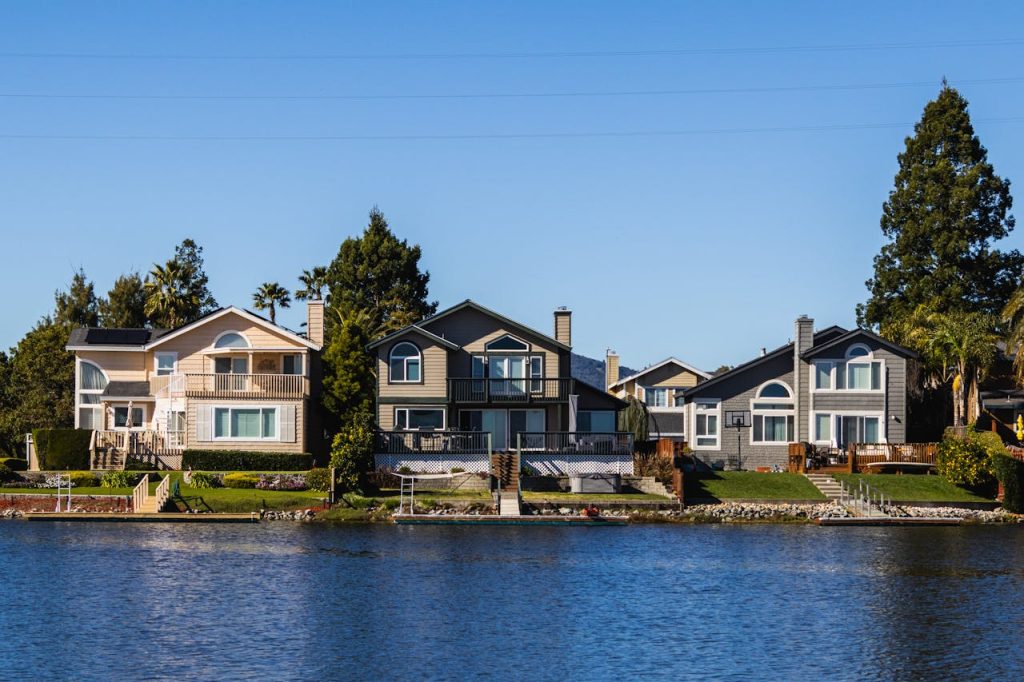
Riprap systems
Riprap uses stone to absorb and disperse wave energy naturally.
- Reduce shoreline erosion
- Improve slope stability
- Create a more natural shoreline appearance
Why early action is important
Addressing shoreline problems early provides more options for stabilization and usually reduces long-term repair costs.
- Smaller problems are easier to stabilize – early erosion control is generally more cost-effective.
- Structural damage can be prevented – stabilizing the shoreline early protects nearby infrastructure.
- Long-term maintenance costs are reduced – durable protection systems require fewer emergency repairs.
- Property usability is preserved – stable shorelines improve safety and waterfront functionality.
- Waterfront value is maintained – protected properties retain stronger long-term appeal.
Final thoughts
Waterfront properties face continuous environmental pressure that gradually affects shoreline stability, drainage performance, and structural durability. Problems such as erosion, unstable soil conditions, drainage failure, and shoreline deterioration often develop slowly but become significantly more serious over time.
Understanding these common waterfront problems and addressing them early helps protect the shoreline, preserve usable land, and reduce long-term repair costs. Proper shoreline stabilization and professional waterfront protection systems play a critical role in maintaining safe, stable, and functional waterfront properties for years to come.