
Graduation day ought to spark jubilation. Students labored for years to claim their diplomas. Families converge to honor this landmark achievement. A commencement speaker ascends to the podium and trumpets AI as tomorrow’s promise. Boos cascade through the auditorium. This scene erupted at several universities in 2024. The outbursts expose a chasm between corporate chieftains and diploma-clutching students.
The most striking episode unfolded when a CEO branded AI as the “next industrial revolution” during her address. Students unleashed waves of disapproval. Social platforms erupted with commentary. The spectacle illuminated mounting friction between Gen Z graduates and the technology sector. This examination probes why students repudiate AI evangelism at graduation ceremonies and what consequences await future commencement speakers.
The Incident That Sparked the Backlash
Jeers erupted when a technology executive addressed graduates during their commencement ritual. Enthusiasm saturated her words about artificial intelligence. She positioned the technology as an unstoppable catalyst for advancement. Students withheld their approval. Vocal dissent poured forth. Hours later, the incident ignited viral flames.
No anomaly here. Parallel outbursts materialized at other universities when speakers wrapped AI in glowing rhetoric. Corporate executives who sidestep student anxieties trigger alienation. A pattern emerges: leaders who sweep aside justified alarm about employment stability and moral ramifications. The Federal Trade Commission has cautioned companies against peddling baseless assertions about AI prowess.
Gen Z graduates grasp technology more thoroughly than their predecessors. Smartphones and social platforms shaped their formative years. Rapid technological adoption revealed its shadow side. Privacy debacles unspooled before their eyes. Platform-driven mental health catastrophes became undeniable. Identical promises about AI now echo earlier technological mantras.
Why Gen Z Students Reject Empty Tech Promises
Students jeer because corporate doublespeak stares them in the face. A speaker proclaims AI will unlock pathways. Students recognize their entry-level positions as automation’s primary quarry. Marketing roles demand content production. AI instruments now manufacture that material. Customer service positions vanish beneath chatbot waves. Coding jobs buckle under pressure from AI collaborators.
The speaker at the contentious graduation ceremony harvested criticism for oblivious messaging. Disruption earned her applause while students grappled with loan repayment dread. Innovation received her praise while graduates confronted a punishing employment landscape. The gulf yawned impossibly wide. Students booed because someone wielding influence brushed aside their reasonable apprehensions.

Eric Schmidt, former Google CEO, has delivered addresses at numerous universities about technology and AI. His presentations typically provoke divided responses. Experience garners appreciation from some students. Others question whether tech billionaires comprehend the gauntlet facing recent graduates. Vast wealth disparities spawn credibility crises. A CEO commanding millions who sermonizes about opportunity sounds empty when those students stare down decades of debt servitude.
The Real Concerns Behind the Boos
Gen Z students fixate on tangible realities. Four years or more vanished into career preparation. Now uncertainty clouds whether those careers will persist half a decade hence. An upbeat speech about AI fails to soothe this dread. Worse, the speech amplifies anxiety. Leaders signal either incomprehension or indifference toward graduate worries.
The students who booed the commencement speaker were not anti-technology. They were anti-empty-promise. They have seen this playbook before. Tech leaders promise transformative change. Workers lose jobs. Communities suffer. Meanwhile, companies struggle to implement ethical AI policies that protect employees and customers alike.
Students also reject the framing of AI as inevitable progress. This narrative removes human agency. It suggests people must accept whatever technology companies build. Gen Z refuses this passive role. They want a voice in how AI develops. They demand ethical considerations. A graduation speech that glosses over these issues insults their intelligence.
What This Means for Future Commencement Speakers
Corporate leaders must rethink their approach to graduation speeches. Students need authenticity. They value speakers who acknowledge challenges honestly. A CEO who admits AI creates both opportunities and serious problems will earn more respect than one who offers only cheerleading.
Speakers should focus on actionable advice. Tell students how to navigate uncertainty. Share strategies for staying relevant as technology changes. Discuss the importance of adaptability and continuous learning. Avoid buzzwords and corporate jargon. Students can detect insincerity immediately. They will call it out publicly.
The best commencement addresses balance optimism with realism. They inspire without ignoring difficulties. They acknowledge student concerns while offering hope. Most importantly, they treat graduates as thinking adults who deserve honest conversation. A speaker who respects the audience will never face boos, regardless of the topic.
Lessons for Both Speakers and Students
This controversy offers valuable insights for everyone involved. Commencement speakers must research their audience. Understand what matters to these specific students. Learn about their field of study and career prospects. Tailor remarks to their reality. Generic speeches about disruption and innovation will fail every time.
Students should also consider productive ways to express disagreement. Booing makes headlines. It does not always advance dialogue. Some universities have created opportunities for student feedback during planning stages. Others allow designated student speakers to address topics the administration might avoid. Engaging constructively often achieves better results than disruption.
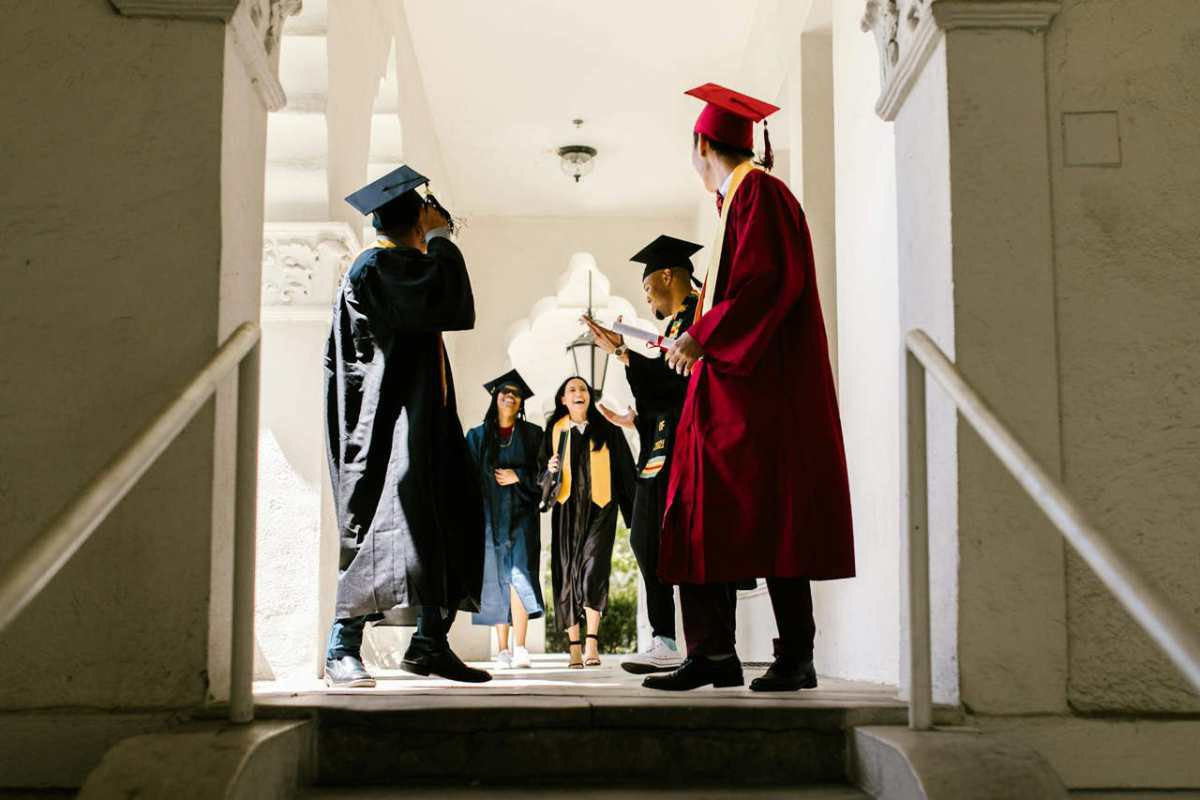
The incident reminds everyone that graduation ceremonies belong to students first. They earned this moment through years of hard work. The commencement speech should honor that achievement. It should send graduates into the world feeling empowered, not anxious. Speakers who forget this basic principle will continue to face vocal opposition.
Moving Forward After the Controversy
Universities now face pressure to choose commencement speakers more carefully. They must consider how graduates will receive a speaker’s message. A CEO who profits from AI might not be the ideal choice for students worried about AI replacing their future jobs. Academic leaders should prioritize speakers who can bridge this divide.
The best path forward involves honest conversation about technology’s role in society. The Small Business Administration provides resources for workers adapting to changing employment landscapes. Educational institutions should connect students with these practical tools. They should facilitate discussions about ethics, automation, and human values. Commencement ceremonies can acknowledge these tensions rather than papering over them.
Gen Z students will sculpt the future of AI in society. They reject blind acceptance. Their jeering at graduation ceremonies signals a hunger for superior leadership. They crave executives who genuinely hear them. They demand protections for workers facing displacement. They seek tools that elevate humanity instead of erasing jobs. Nothing about these desires seems unreasonable. Speakers who grapple with such concerns earnestly will triumph where predecessors stumbled.
Conclusion
The graduates who booed their speaker were not displaying bad manners. They were displaying authenticity. They dismissed rhetoric that seemed alien to their lived experience. Their backlash ignited vital debates about automation, employment, and what lies ahead. The moment served as a warning to corporate figureheads–Gen Z will not swallow hollow rhetoric about disruption.
Coming speakers can extract lessons from this debacle. Enter graduation stages with genuine modesty. Recognize fears that have substance. Deliver concrete guidance rather than rehearsed corporate mantras. Honor the graduates whose milestone you ostensibly came to celebrate. Follow this path and audiences will remain silent in approval. Disregard these principles and prepare to join the expanding roster of speakers who badly misread the room.
If you find yourself preparing a commencement address, invest energy in understanding what these graduates actually confront. Speak with recent alumni about their journeys into the workforce. Investigate hiring patterns in their disciplines. Build remarks that reach them in their current reality. Your words will land with far greater impact than any recycled praise of whatever shiny technology currently dominates headlines.